
As we get older, maintaining independence and a good quality of life becomes even more important. I have seen firsthand how technology can bridge gaps and offer real peace of mind for seniors and their families. It is not just about fancy gadgets and confusing apps. It is about practical tools that truly make a difference in daily well-being.
In my experience, many families struggle with finding the right balance. They want to help their loved ones stay safe and connected but without making them feel overwhelmed by new devices. We all want to choose solutions that are helpful but also easy to use. This makes selecting wellness technology for seniors a careful process.
The market is full of options now, from simple communication aids to complex health monitoring systems. I often talk with people who feel lost among all these choices. My goal here is to help clarify what truly matters when you are trying to pick technology that supports senior wellness. It means looking beyond just the features and focusing on genuine benefits for everyday life.
Understanding the Core Wellness Needs of Seniors
When I think about wellness for seniors, a few key areas always stand out. Safety is usually at the top of the list for everyone. We want to know our loved ones are secure in their homes and that help is readily available if needed. Beyond safety, connection and health monitoring play crucial roles in overall well-being. Technology can really shine in these areas.
For example, my grandmother felt much more secure with a simple medical alert device. It gave her the confidence to live alone, knowing she could reach someone with just a press of a button. This kind of technology does not replace human care but it certainly supports it. It empowers seniors to maintain their routines and independence longer. And that is a huge benefit for their mental health and dignity.
Wellness tech should not complicate life. It should simplify it. When we choose these devices, we are not just buying a product. We are investing in a better quality of life. I always recommend starting with a clear understanding of what challenges or needs the technology aims to address. This helps narrow down the vast array of options.
Prioritizing Safety and Emergency Preparedness
Safety technology for seniors has come a long way. It used to be just a pendant alarm, but now there are smart home sensors and fall detection devices too. I find that the most effective safety tools are those that blend into daily life seamlessly. They should not feel intrusive or difficult to operate. For example, a discreet fall sensor can be far more effective than a button that might be forgotten or out of reach during an emergency.
Emergency preparedness also means having clear communication channels. A simple landline phone might be fine for some, but a smart device with video calling can offer vital visual confirmation during a check-in. This is especially helpful if a senior lives far from family. The goal is to provide a safety net that is both effective and comfortable for the individual. It is about giving them confidence and giving you peace of mind.
Enhancing Social Connection and Mental Well-being
Isolation can have a big impact on senior health. I have seen how connecting with family and friends can boost spirits and keep minds sharp. Technology offers amazing ways to combat loneliness. Simple video calls allow face-to-face interaction even across long distances. Digital photo frames that automatically update with new pictures are also wonderful.
Beyond family, some devices can connect seniors to online communities or virtual activities. These might include exercise classes or hobby groups. Such connections foster a sense of belonging and purpose. It is about leveraging technology to build bridges, not walls. When seniors feel connected, their mental well-being improves dramatically, and that is a key part of true wellness.
Key Features to Look for in Senior Wellness Technology
When I evaluate wellness tech for seniors, I focus on a few essential characteristics. The most important one is ease of use. If a device is too complicated, it will sit unused in a drawer. I always look for simple, intuitive interfaces with clear buttons and large text. Seniors need technology that feels natural and requires minimal setup.
Reliability is another non-negotiable feature. These devices are often for critical tasks like emergency alerts or health monitoring. They must work every single time without fail. I also consider battery life. No one wants to constantly recharge devices, especially if a senior might forget to do so. A long battery life means less hassle and more consistent protection.
Screen size and clarity are also important for visual accessibility. Audio quality for voice commands and alerts needs to be excellent too. We want the technology to adapt to their needs, not the other way around. I have learned that a device with fewer bells and whistles but perfect core functionality is often better than a feature-rich one that confuses the user.
Customer support is a feature too. Will there be easily accessible help if something goes wrong? Can someone walk the senior or their family through troubleshooting steps? These details make a big difference in the long run.
Exploring Various Types of Wellness Technology and Their Benefits
The world of senior wellness technology is diverse, offering solutions for many different needs. I find it helpful to categorize them based on their primary function. This makes it easier to understand how each type might benefit a senior. From wearable gadgets to smart home systems, each has a unique role to play in enhancing life.
We see a lot of interest in devices that track health metrics. But we also see a need for technology that simply makes daily living more convenient or enjoyable. The right combination of these tools can create a comprehensive support system. It is about finding what fits best for the individual’s lifestyle and specific needs.
Wearable Devices for Activity and Health Tracking
Wearable devices, like smartwatches and fitness trackers, are popular because they are designed to be worn all day. They can monitor heart rate, track steps, and even detect sleep patterns. For an active senior, a fitness tracker can encourage movement and help them meet their health goals. I have seen how these devices can motivate people to stay more active.
Some advanced smartwatches even offer fall detection, which is a powerful safety feature. They can automatically alert emergency contacts if a fall is detected. I think it is important to remember that while these devices offer great insights, they are not medical diagnostic tools. They provide data that can be shared with doctors but they should not replace professional medical advice. For anyone serious about choosing senior wellness tech, these wearables offer a fantastic blend of health monitoring and safety.
Smart Home Solutions for Comfort and Security
Smart home technology can truly transform a senior’s living space, making it safer and more comfortable. Voice-activated assistants, for instance, allow seniors to control lights, thermostats, and even call family members using only their voice. This is especially helpful for those with limited mobility. I find these systems give seniors a greater sense of control over their environment.
Motion sensors and smart cameras can enhance security and provide remote monitoring for family caregivers. This allows caregivers to check in without being intrusive. Smart lighting can automatically turn on when someone enters a room, preventing falls in dark hallways. These solutions make a senior’s home not just smarter but also a much safer place to live independently.
Assessing Ease of Use and Accessibility
I cannot stress enough the importance of ease of use. A technology’s benefit is zero if a senior cannot or will not use it. We must prioritize devices with simple setups and intuitive controls. I always recommend looking for large buttons, clear displays, and straightforward instructions. Minimal menus and simple navigation are key for successful adoption.
Consider the senior’s cognitive and physical abilities. Does the device require fine motor skills that might be challenging? Are the sounds and visuals easily discernible? Many companies now design products specifically with seniors in mind, so seek those out. They often include features like voice prompts or simplified touchscreens.
Trial periods or easy return policies are also incredibly valuable. This allows you to test the technology in the senior’s actual living environment. This hands-on experience quickly reveals if a device is a good fit. I find that a device is truly successful when the senior can operate it confidently without constant assistance. If it causes frustration, it is not the right choice.
Evaluating Cost Considerations and Long-Term Value
Budget is always a factor when picking wellness technology. It is not just about the upfront purchase price. Many devices come with ongoing subscription fees for services like professional monitoring or data storage. I advise families to look at the total cost of ownership over a year or two. This gives a much clearer picture of the financial commitment.
Think about the durability and warranty of the product. Is it built to last? What kind of support does the manufacturer offer if something breaks? A cheaper device that needs frequent replacement might end up costing more in the long run. I believe that investing in quality often pays off through greater reliability and less stress.
The long-term value extends beyond just money. It includes the peace of mind the technology provides. What is the value of knowing a loved one is safe? What is the value of preventing a serious fall? These intangible benefits are often priceless. Sometimes, a slightly higher investment for a robust, user-friendly system is worth every penny for the improved quality of life and reduced anxiety for everyone involved.
Involving Seniors in the Decision-Making Process
One of the biggest mistakes I see families make is choosing wellness technology without involving the senior. This can lead to resistance or even outright refusal to use the device. It is crucial to empower seniors by giving them a say in the choices that affect their daily lives. After all, they are the ones who will be using the technology.
Start by discussing their needs and concerns openly. Ask them what challenges they face or what aspects of their independence they want to maintain. Show them different options and explain the benefits in simple terms. Let them touch and interact with devices if possible. This personal involvement helps build ownership and comfort with the new tools.
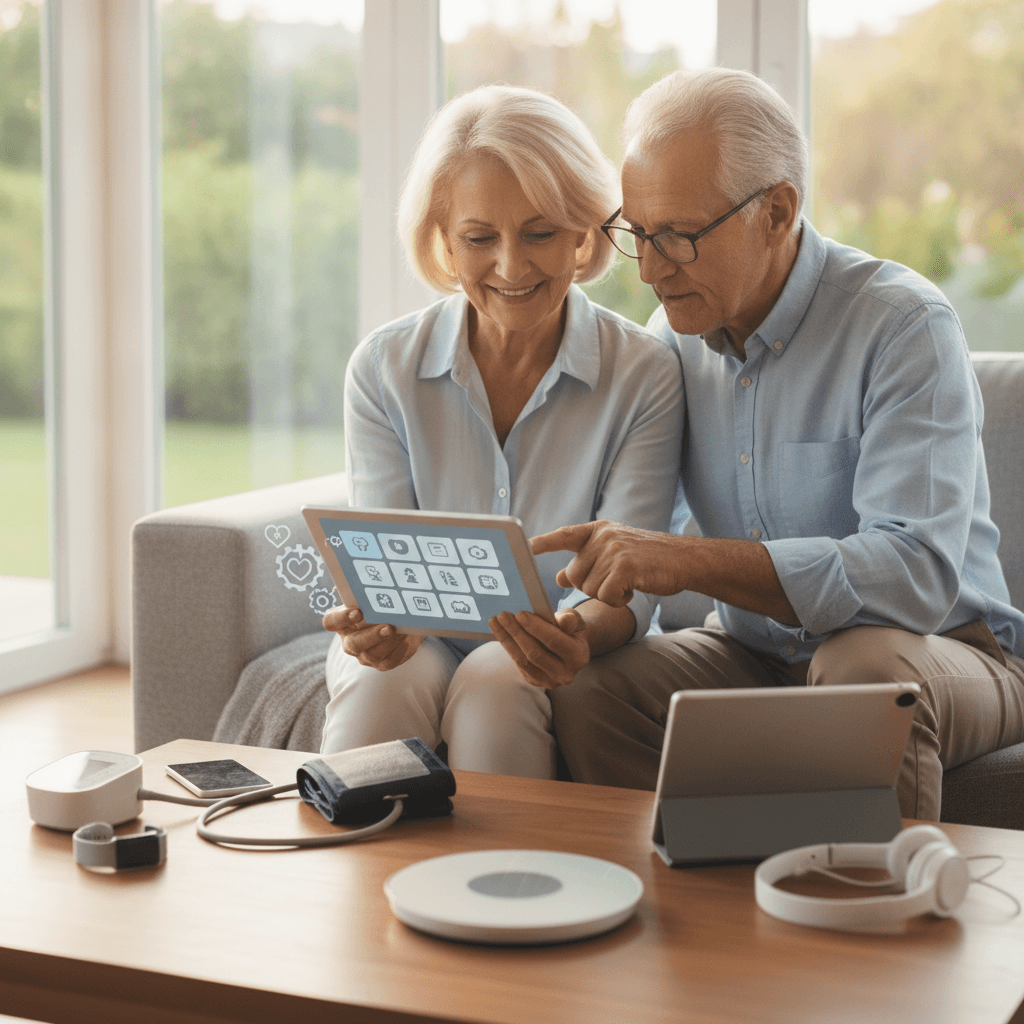
I remember introducing a new tablet to my uncle. Instead of just handing it to him, I spent time showing him how to video call his grandchildren. We practiced together, and he quickly became excited about staying connected. This approach of patient introduction and demonstrating immediate benefits leads to much better adoption rates. It is about making them part of the solution not just the recipient of it.
Conclusion
Picking the right wellness technology for seniors is a thoughtful process, not a quick purchase. I have learned that it means truly understanding their individual needs, from safety and emergency preparedness to social connection and mental well-being. Focusing on ease of use, reliability, and clear accessibility features is paramount. No matter how advanced a device is, it provides no value if it sits unused. We also need to consider the long-term cost and value, remembering that peace of mind and an enhanced quality of life often outweigh the monetary investment.
Most importantly, always involve seniors in the decision-making. Their input and comfort level are critical for successful adoption. Technology should empower them, not overwhelm them. By carefully researching options, trying out devices, and prioritizing their preferences, we can select tools that genuinely support their wellness and independence. Let us use technology to create more connected, safer, and happier lives for our seniors. Take the time to explore the possibilities and find the perfect fit for your loved ones today.